







Search Results for: Water Volume
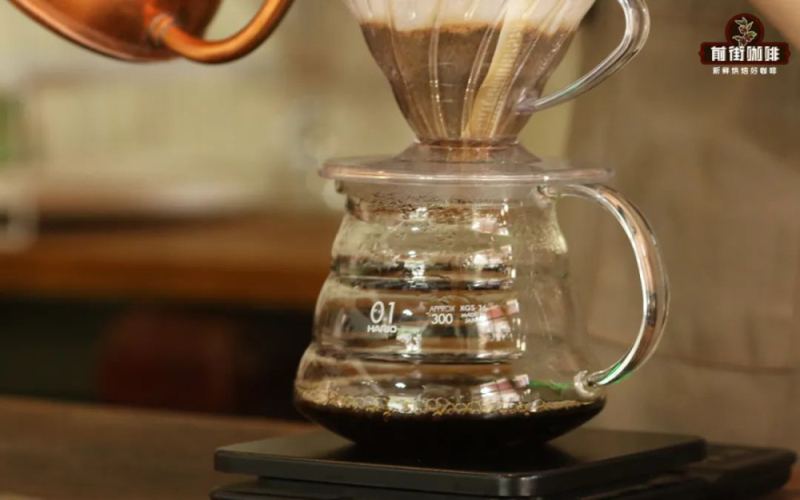
How should the water volume for each pour be scientifically configured when making pour-over coffee with staged pouring?
Segmented pouring in pour-over coffee seems simple, but in reality, even subtle changes in the water volume of each segment leave their mark in the cup. Many friends new to pour-over are often puzzled: how exactly should the water volume after blooming be divided? And in what direction do different distribution schemes take the flavor? Front Street used the Yirgacheffe Gote Gote as a sample and designed three comparative experiments, fixing the dose at 15 grams, the coffee-to-water ratio at 1:16, medium-fine grind, and water temperature at 91°C, changing only the water volume ratio between the second and third pours, to observe how acidity, sweetness, mouthfeel, and finish trend. The experiment also revealed the potential impact of the relationship between the height of the coffee bed wall and the water level on extraction uniformity, and offers reference ideas for flexible adjustment in actual practice. [more…]
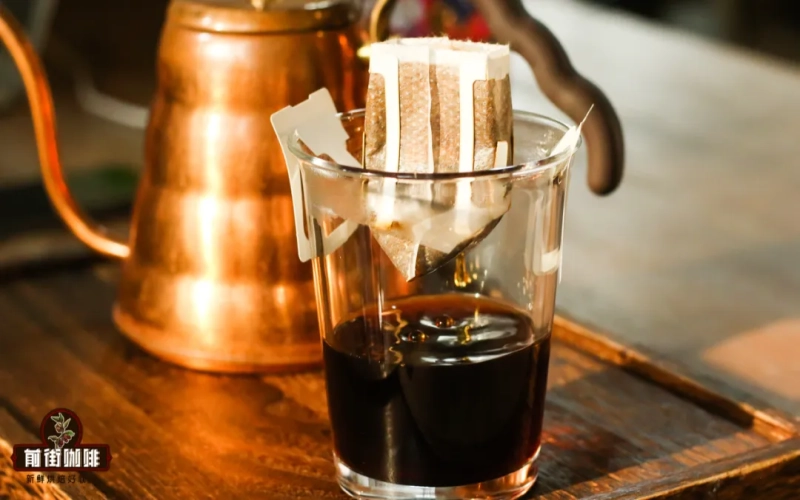
The Complete Guide to Drip Bag Coffee Brewing: Mastering the Three-Stage Control of Water Temperature, Volume, and Time, and Experiencing the Flavors of Front Street's Five Producing Regions
Drip bag coffee has become the top choice for many people during business trips, office work, and travel thanks to its convenience—no need to grind beans or use professional equipment. However, many people encounter problems such as weak flavor, sharp acidity, or noticeable astringency when brewing. In fact, as long as you master the three key parameters of water temperature, water volume, and brewing time, you can make a cup of coffee close to pour-over quality with a drip bag. This article will explain, one by one, the different water temperature requirements for light and dark roasts, the conversion method for a 1:15 coffee-to-water ratio, visual pouring techniques when no scale is available, and the complete process of pouring in 3~4 stages, blooming for 30 seconds, and a total time of about 2 minutes. It will also introduce the flavor sequence of Front Street Coffee's classic five-origin drip bag coffee, helping beginners get started easily. [more…]
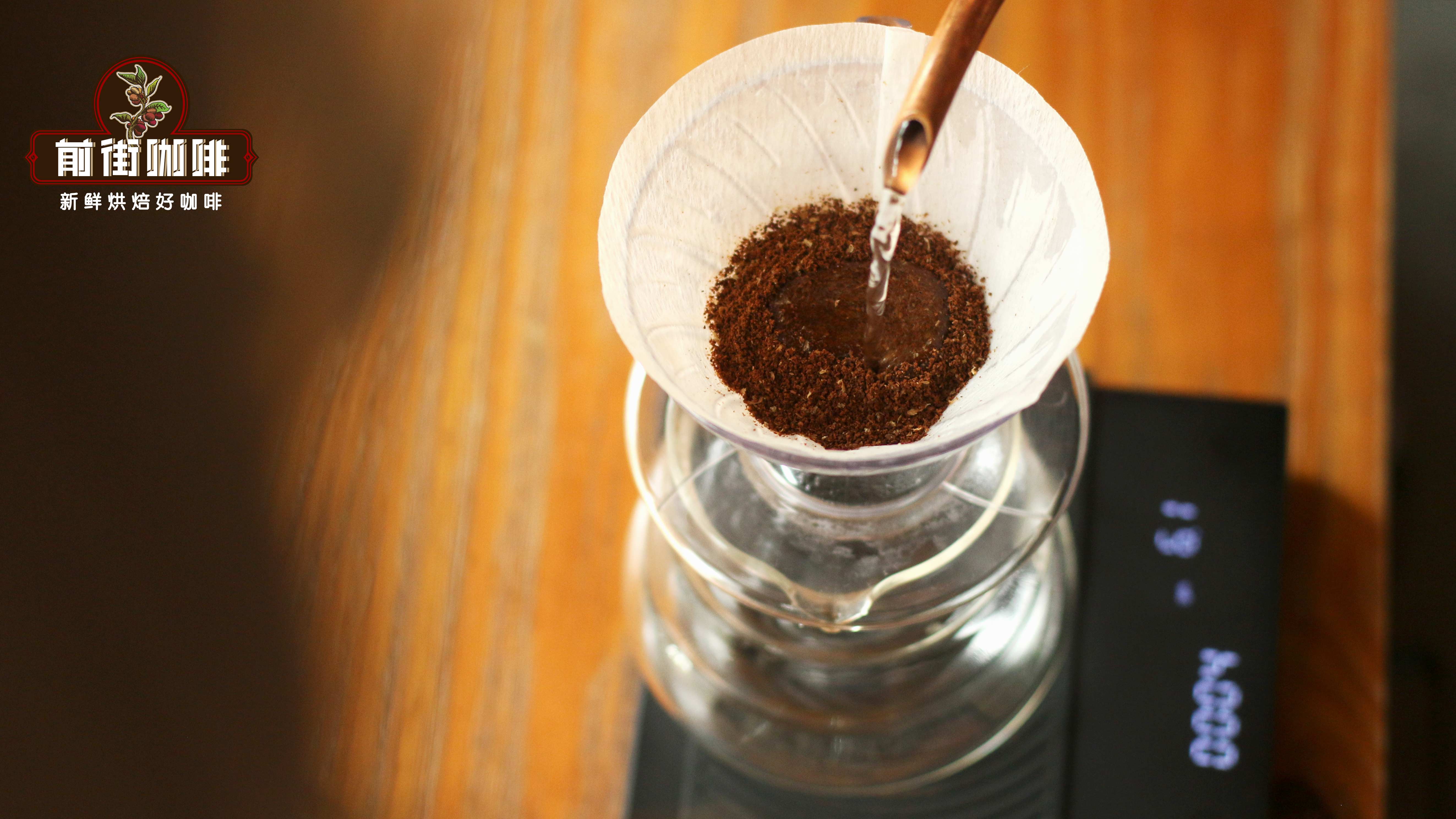
How Do Blooming Water Volume and Time in Pour-Over Coffee Affect Flavor, and an Analysis of the Brewing Process
The first step in pour-over coffee is usually the bloom. How much water is poured at this step and how long it lasts will directly affect the final flavor profile. This article analyzes the purpose of the bloom, the saturation water absorption of coffee grounds, and the differences in water absorption among beans of different roast levels. It explains why most tutorials recommend pouring water at twice the coffee dose, while also explaining why in practice some coffee liquid still drips into the server ahead of time. The article also combines specific beans such as Front Street. Golden Mandheling, Front Street. Queen's Estate, Front Street. Washed Yirgacheffe Giddingding, and Front Street. Natural. Flower Queen to offer flexible adjustment ideas for 1.5 to 2 times the water amount, and discusses the influence of pouring technique and bean freshness on water absorption, helping enthusiasts find a bloom method that better suits the bean's characteristics. [more…]
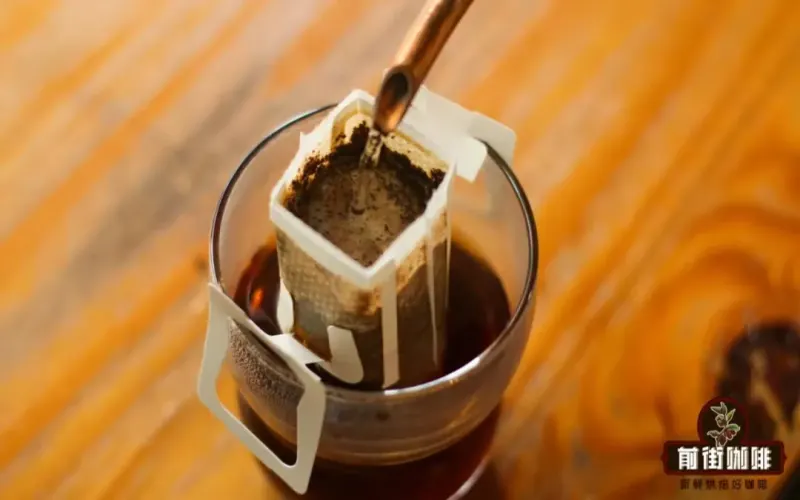
Analysis of the Differences Between Drip Bag Coffee and Pour-Over: Drip Bag Composition, Control of Water Temperature and Volume, and Simple Brewing Steps
Drip bag coffee has become the top choice for many people's daily coffee due to its portability and ease of operation. What exactly are the differences between it and pour-over coffee? This article will start with the structure of the drip bag, sort out the essential differences between it and pour-over in terms of equipment and process, and share a simplified brewing method that only requires attention to two parameters: water temperature and water volume. At the same time, for different taste preferences, the article also compiles the flavor characteristics and purchasing suggestions of multiple drip bag products under the Front Street Coffee brand, helping you obtain a cup of drip bag coffee with suitable strength and full flavor in the simplest way and with stable results. [more…]
A Complete Guide to Pour-Over Coffee Brewing: Blooming Techniques, the Coffee Wall Principle, and Step-by-Step Tutorial on Controlling Extraction Water Volume
The flavor expression of pour-over coffee often depends on the details of blooming, pouring rhythm, and extraction volume control. This article starts with why the blooming area should be controlled to the size of a nickel, and gradually analyzes the connection between coffee particle degassing and space recovery, the formation and role of the coffee wall, and how to judge the timing of the second pour under different degassing states. It also explains the reference value of a 1:15 water-to-coffee ratio and ways to adjust it, and includes a pour-over video tutorial and practical Front Street Coffee product recommendations to help coffee enthusiasts systematically master the pour-over brewing steps and core essentials. [more…]
How to brew drip bag coffee for the best taste? A detailed explanation of the three key points—water temperature, amount of water, and time—plus Front Street flavor drip bag recommendations.
Drip bag coffee, with its convenient advantages of requiring no grinding and no professional equipment, has become the go-to staple for many people during business trips, office work, and travel. However, quite a few friends report that the drip bag coffee they brew themselves turns out either bland and tasteless or sharply sour and bitter—the problem often lies in three key parameters: water temperature, amount of water poured, and brewing time. This article begins with an introduction to the flavors of Front Street Coffee's classic five-origin drip bag coffee, then systematically explains the suitable water temperature ranges for light-roast and dark-roast drip bags respectively, the selection of coffee-to-water ratios and visual measurement techniques, and how to control the extraction time to around two minutes through staged pouring, helping you brew a delicious cup of drip bag coffee that rivals pour-over in the simplest way possible. [more…]
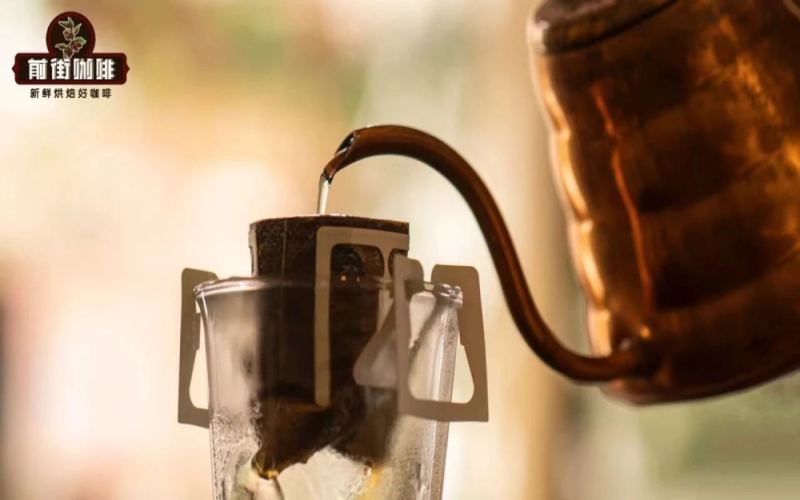
Drip bag coffee brewing water volume vs. pour-over: Front Street Coffee barista explains brewing techniques and methods in detail
Drip bag coffee, with its convenience, has become a popular choice for enjoying black coffee in the office, at home, and while traveling. But how many milliliters of water should be used to brew a single bag of drip coffee? Can it be brewed as precisely as pour-over coffee? In this article, the baristas at Front Street Coffee will share practical brewing methods for drip bag coffee, answer common questions about brewing water volume and water temperature control, and explain why drip bag coffee cannot be brewed repeatedly. We will also introduce the flavor characteristics of three seasonal drip bag coffees—Front Street. Mandheling, Front Street. Yirgacheffe, and Front Street. Brazil Cerrado—to help you easily brew a good cup of coffee even without professional equipment. [more…]
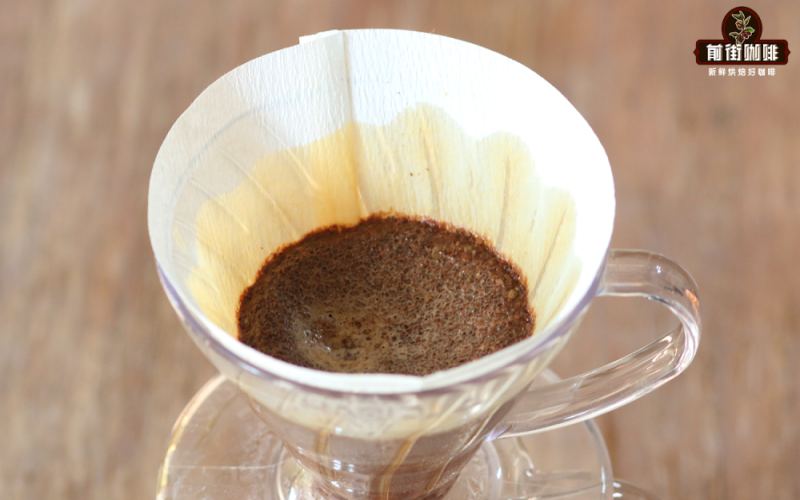
The Cause of the Central Collapse in the Coffee Bed After the Bloom in Pour-Over Brewing: The Combined Effect of Water Volume, Technique, and Grind Size
The blooming phase of pour-over coffee is often seen as the first dialogue with the coffee grounds, and an ideal expansion state often indicates a smooth subsequent extraction. However, sometimes the coffee bed clearly puffs up, only to have a pit form in the middle moments later—is this actually normal? This article analyzes this phenomenon, first explaining the physical mechanism behind expansion followed by collapse, and then investigating the causes one by one from three angles: water volume, pouring technique, and grind size. Front Street Coffee uses 15 grams of light-roast beans for simulation comparisons, showing the actual changes in the coffee bed under different parameters, to help you quickly identify problems in daily brewing, adjust your technique and parameters, and get the blooming state back on track. [more…]

How do you brew drip bag coffee correctly? An illustrated guide to steps, water temperature, water volume, and common mistakes
Can drip coffee bags be brewed directly? Of course not. It is a filter bag containing ground coffee, and the coffee grounds are not instant. Soaking it directly not only wastes the design of the drip bag, but also gives you a mouthful of grounds. The correct method is to tear open the seal, unfold the drip bag card and hang it on the rim of the cup, then pour water through it to filter. This article uses a six-step illustrated guide to demonstrate in detail the brewing process for drip coffee bags, while also explaining the two key points of controlling the water temperature at 88-91°C and the total pouring volume of about 120-150 ml, and explaining why pour-over techniques such as circular pouring and blooming are of little significance for drip bags. The article also recommends Front Street Coffee's classic 5-origin drip coffee bags to help you quickly find the flavor you like. [more…]
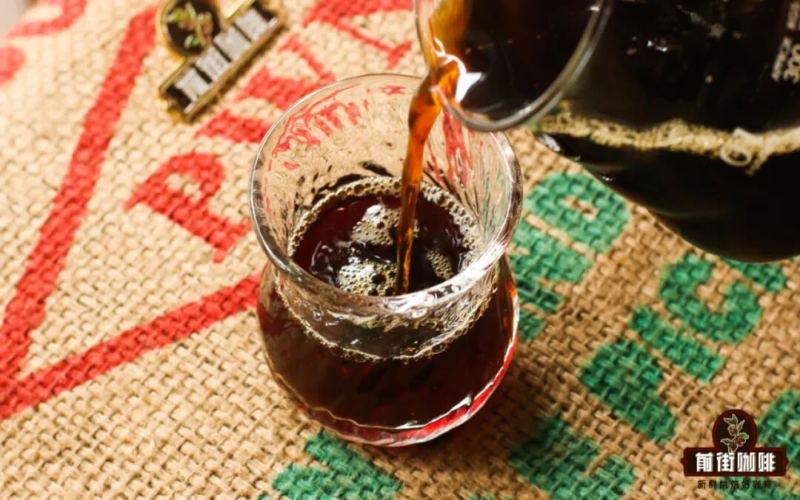
Iced Coffee Pour-Over | How to Make a High-Sweetness Iced Pour-Over with Dark Roast Coffee Beans? Introduction to the Brewing Parameters for Indonesian Golden Mandheling Iced Pour-Over Coffee
According to today's meteorological bureau report, the high temperatures in Guangdong will persist until around November. This means that for nearly two months to come, we still won't be able to do without the ultimate heat-relief weapon—iced coffee! So some friends, just like Front Street, after drinking too many sweet-and-sour light-roast iced coffees, sometimes want to switch to [more…]
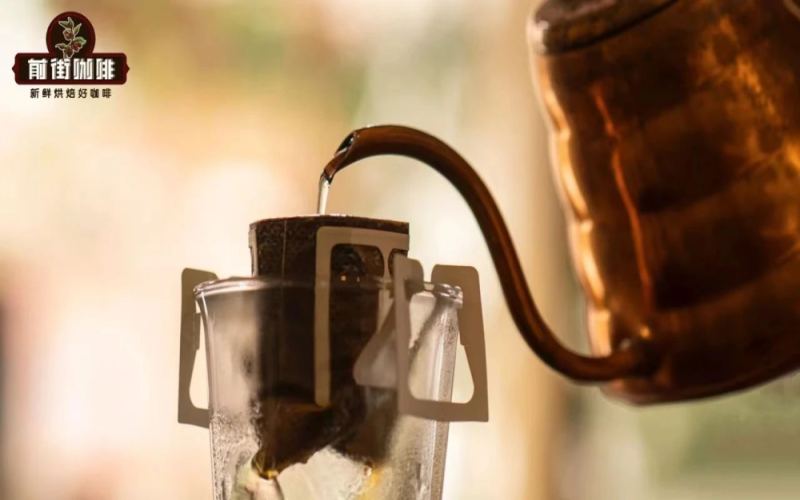
Is drip bag coffee considered black coffee? A detailed guide to brewing water volume and technique—Front Street Coffee teaches you how to easily brew great flavor.
Drip bag coffee is the most convenient choice among drip-filter coffees. All you need is a drip bag, a cup, and hot water to easily get a cup of single-origin black coffee. However, simple operation doesn't mean you can brew it however you like. Front Street believes that if you want to reach about 70% of the quality of a pour-over, water temperature, coffee-to-water ratio, cup selection, and pouring rhythm are all worth paying attention to. This article will start with the relationship between drip bags and black coffee, then break down grind size, water temperature control, suitable water volume, cup type suggestions, and staged pouring steps one by one, and include Front Street's current-season drip bag recommendations from six major regions to help you quickly find the one that suits your taste preferences. [more…]
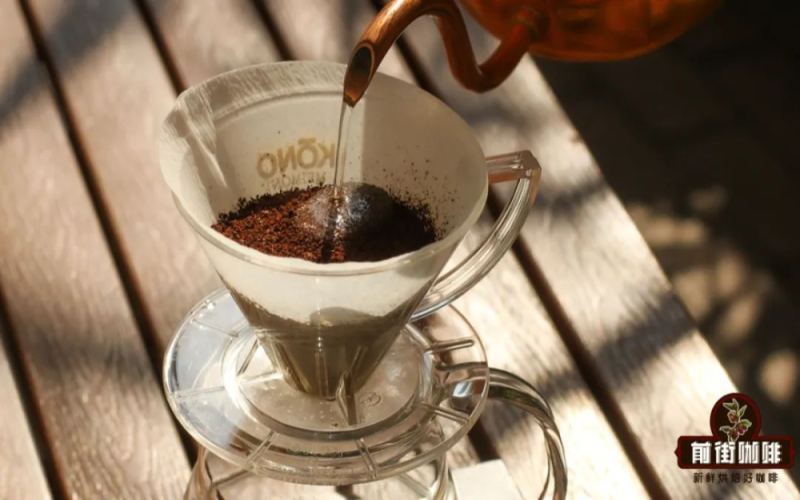
The Science of the Coffee Bloom in Pour-Over Brewing: Why We Bloom, and How to Master Water Volume and Timing
Blooming is an indispensable preparatory step in pour-over coffee before the actual pouring begins, known in English as "bloom." Many enthusiasts are accustomed to the practice of using twice the coffee grounds' weight in water, pouring in circles, and waiting 30 seconds—but what is the principle behind this formula? And what flavor differences arise from insufficient or excessive blooming? This article will systematically explain the purpose of blooming, key parameters, and judgment methods from the perspectives of carbon dioxide release and the water absorption state of the coffee bed, helping you adjust flexibly for beans of different roast levels and freshness, and brew a cup of pour-over coffee with even extraction and full aroma. [more…]
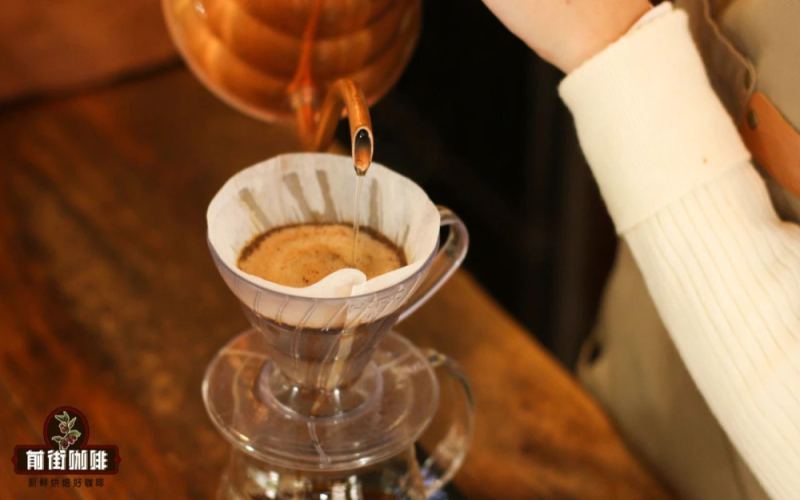
Advanced Guide to Pour-Over Coffee: The Practical Impact of Pouring Distribution and Technique Details on Flavor
Making pour-over at home, but the taste is still inconsistent even after you've dialed in your parameters? The problem often lies in "how you pour the water." This article breaks down the extraction differences between the one-pour method and the three-pour method from two dimensions—water distribution and pouring technique—and analyzes the actual effects of bloom water volume, circling speed, pouring height, flow rate, and circling range on flavor. It also includes complete brewing recipes for three highly distinctive single-origin coffees from Front Street Coffee—washed Yirgacheffe, Tarrazú, and Lintong Mandheling. Whether you're just starting out or looking to refine your technique, these details can help you find the direction for adjustment. [more…]
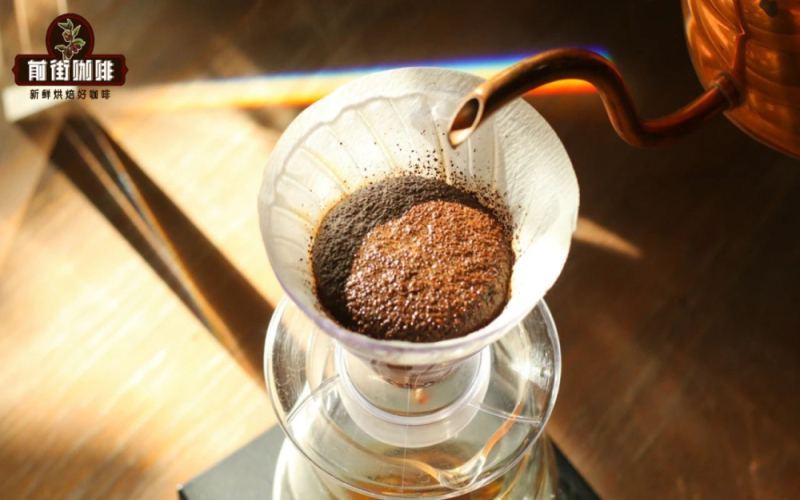
How Much Water and How Long Does Hand-Drip Coffee Blooming Need? A Comprehensive Analysis of the Role and Key Points of Blooming
The bloom is a step in pour-over coffee that cannot be overlooked. People often say, "You can tell whether a coffee will taste good just by looking at the bloom." As a result, many enthusiasts deliberately chase the perfect "coffee hamburger" effect. But once you truly understand the principles behind the bloom, you'll find that it isn't complicated at all. This article will cover the role of the bloom, how to control water volume and timing, and common misconceptions in practice, helping you grasp the core logic of blooming. At the same time, drawing on advice from Front Street Coffee, it also answers how to adjust when you can't wet all the coffee grounds with twice the water volume, so that the bloom truly serves extraction. [more…]
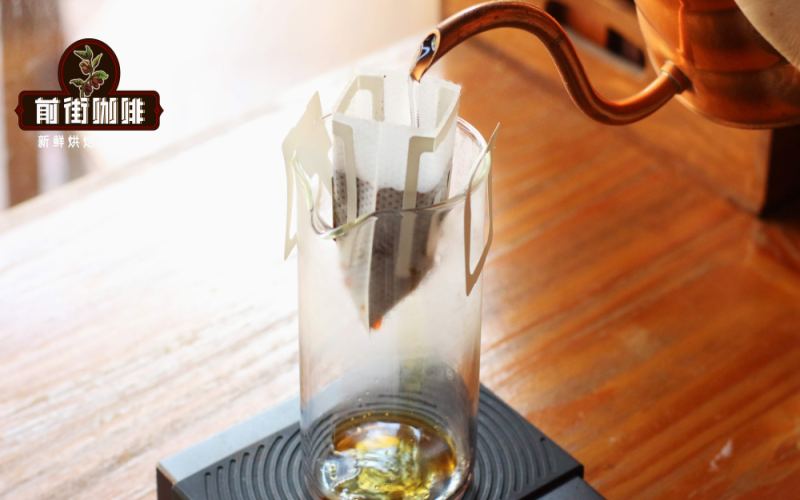
Should You Steep Drip Coffee? A Complete Guide to Brew Time, Water Temperature, Cup Type, and Water Volume, Plus 5 Seasonal Front Street Coffee Drip Coffee Recommendations
Drip bag coffee has become the top choice for many people when they are out and about, thanks to its advantages of simple operation, rich variety, and the ability to enjoy fresh black coffee anytime, anywhere. But do drip bags really need to be soaked? How long should a cup take to brew? How should you control the water temperature, cup type, and water amount? This article explores the brewing principles and practical details of drip bag coffee, explaining that, like pour-over, it relies on hot water flowing through the coffee grounds to complete extraction, and provides references such as staged pouring and a total time of 1 minute 20 seconds to 2 minutes. It also summarizes the flavor characteristics of Front Street Coffee's 5 seasonal drip bag coffees, including Huakui, Yirgacheffe Gidding, Indonesian Mandheling G1, Yunnan Small Bean, and Brazil Cerrado Red Bourbon, making it easy to choose according to taste preferences. [more…]
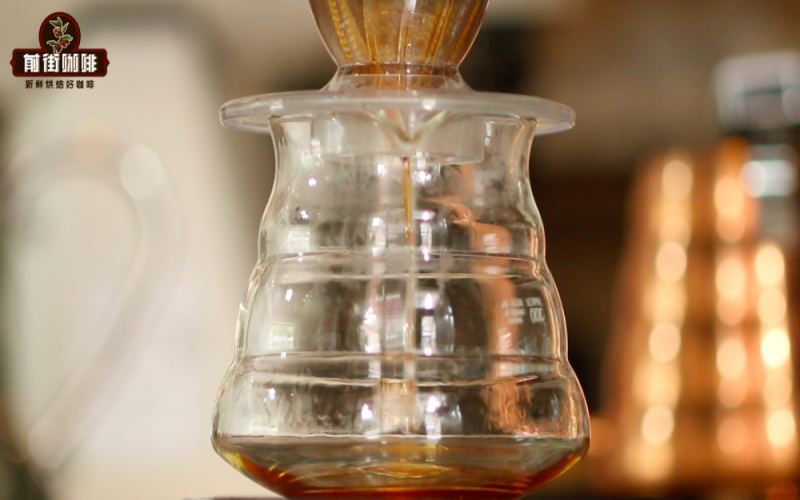
How to determine the amount of water and time for the bloom in pour-over coffee? Yirgacheffe brewing parameters and observation points under the dripper
Bloom is an essential step in pour-over coffee that you can't avoid, but most discussions focus on the expansion of the coffee bed above the dripper and overlook the fact that the coffee liquid dripping from the dripper below can also reveal problems. This article approaches the topic from the perspective of dripping below the dripper, analyzing why the recommended bloom water amount is twice the coffee dose, whether it's normal for excess coffee liquid to flow into the server, and how the three major factors of grind size, roast level, and pouring technique affect drainage during blooming. The article also provides reference drip amounts for dark-roast and light-roast beans using 15 grams of coffee and 30 milliliters of water, and draws on Front Street Coffee's brewing experience to share the actual timing of when dripping starts and stops during blooming, helping coffee enthusiasts more accurately assess the bloom state. [more…]
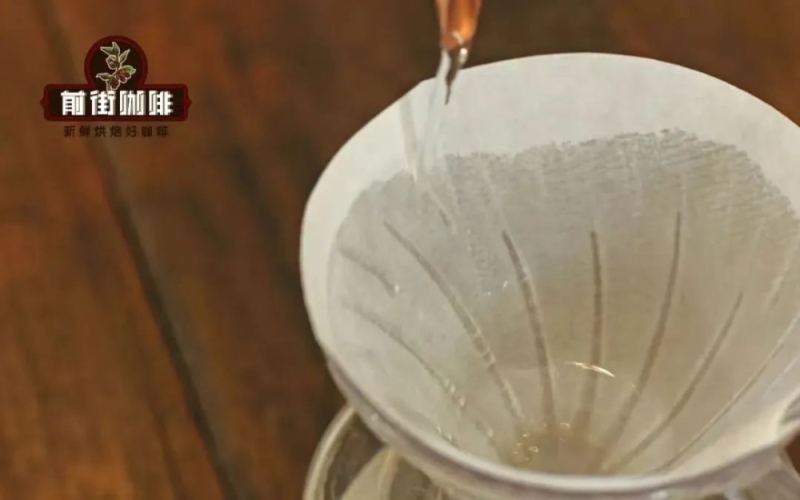
Should You Wet the Filter Paper for Pour-Over Coffee? An Experiment Reveals the Answer from Three Dimensions: Liquid Volume, Concentration, and Taste
When brewing pour-over coffee, should the paper filter really be pre-wetted? This question seems minor, yet it can affect the final liquid volume, concentration, and flavor expression. This time, Front Street Coffee used two drippers, the V60 and Origami, along with two types of filters, conical and cake, to conduct comparative brews with wetted and non-wetted filters, comparing the differences one by one from liquid weight and refractometer data to actual tasting. At the same time, the article also explains in depth why the blooming stage should use twice the amount of water as the coffee grounds, and why the portion of liquid that first contacts the coffee grounds has a lower concentration. If you have also agonized over this detail, you may as well follow the experimental data and see it clearly. [more…]
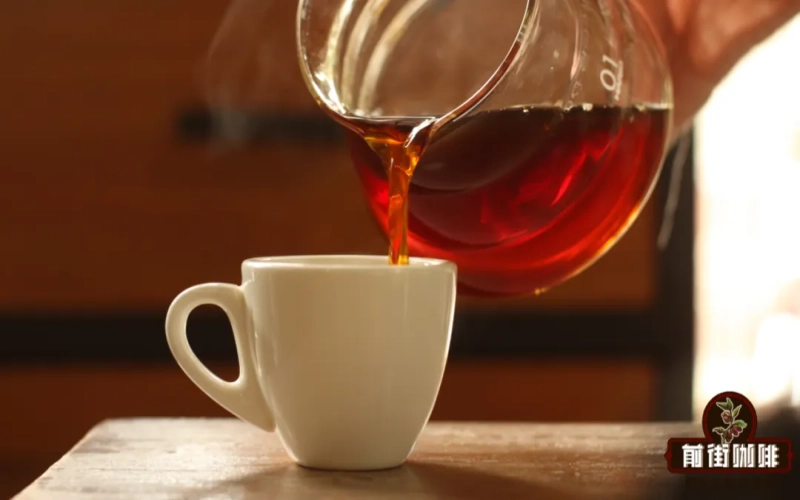
The Hot vs. Iced Pour-Over Coffee Dilemma: From Coffee-to-Water Ratio and Water Temperature to Grind Size, Exploring the Real Reasons Behind Flavor Differences
Should pour-over coffee be enjoyed hot or iced? Many coffee lovers hesitate when making this choice. Front Street Coffee has always recommended: if you want to experience a fuller flavor profile, it's best to choose hot pour-over. This article uses a comparative experiment, using the same coffee beans and brewing method, changing only the coffee-to-water ratio and grind size, to intuitively demonstrate the differences between hot pour-over and iced pour-over in extraction yield, flavor layering, and mouthfeel. The article lists the specific parameters for hot pour-over and iced pour-over in detail, analyzes the impact of water volume and grind size on extraction, and explains why iced pour-over requires parameter adjustments, why coffee shops charge extra for iced pour-over, and why you should drink it hot if you want to enjoy the flavor. [more…]
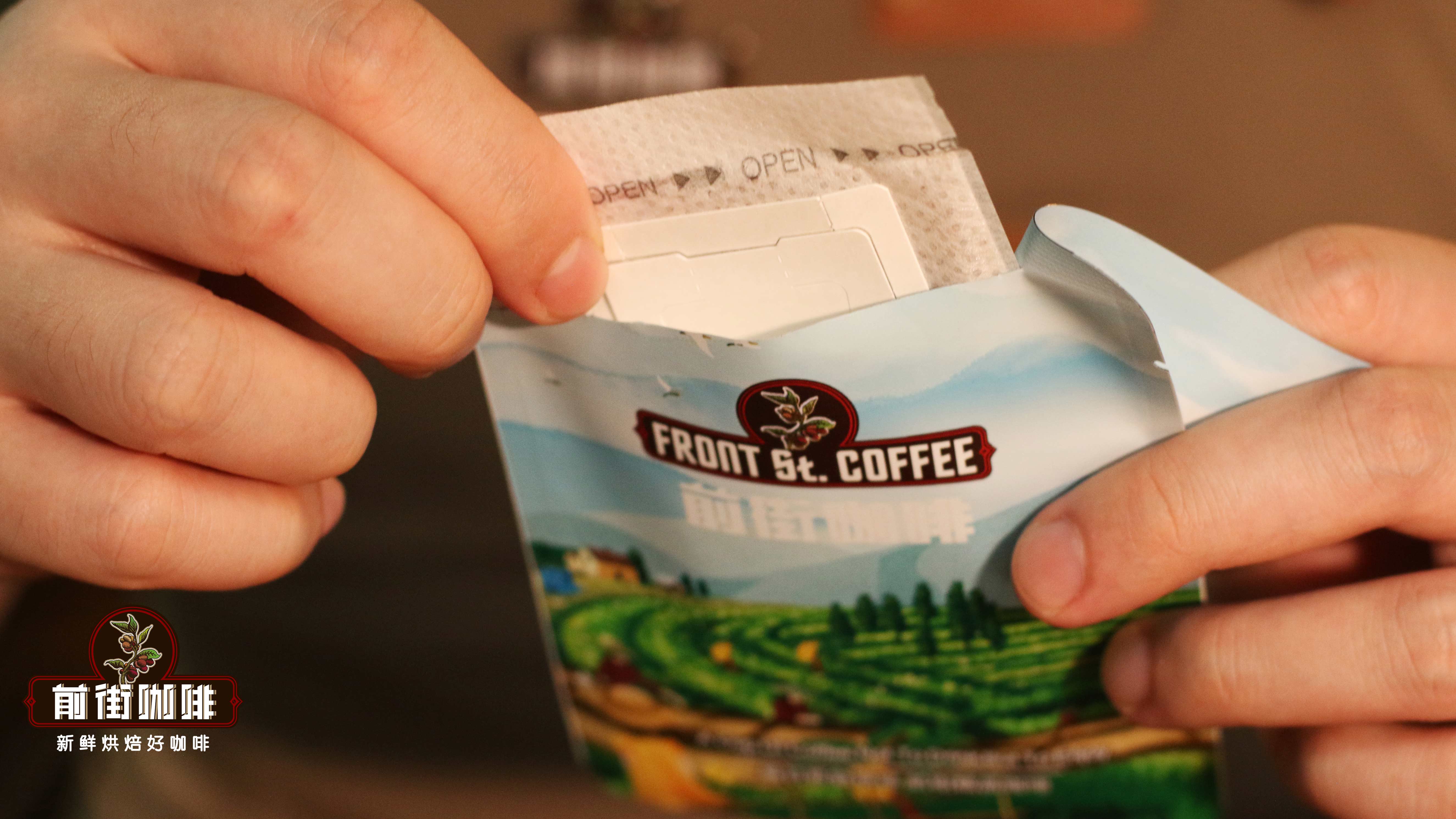
How to properly brew drip bag coffee? A detailed guide to water temperature and total water volume, with flavor selection and brand recommendations
Drip bag coffee, with its convenient filter bag design, allows enthusiasts to easily enjoy black coffee without a grinder or dripper, but behind this seemingly casual operation, water temperature and the amount of water poured are the key determinants of flavor. Starting from the basic principles of drip bag coffee, this article will break down the specific steps of staged pouring in detail, explain why hot water from a water dispenser is not suitable for direct brewing, and provide a reference ratio of 1:15 coffee to water. At the same time, tailored to different taste preferences, it compiles purchasing suggestions for a variety of Front Street Coffee drip bags ranging from floral, fruity and acidic to rich and balanced, helping you consistently reproduce at home a pour-over-level cup of coffee that is full of aroma and clean in taste. [more…]
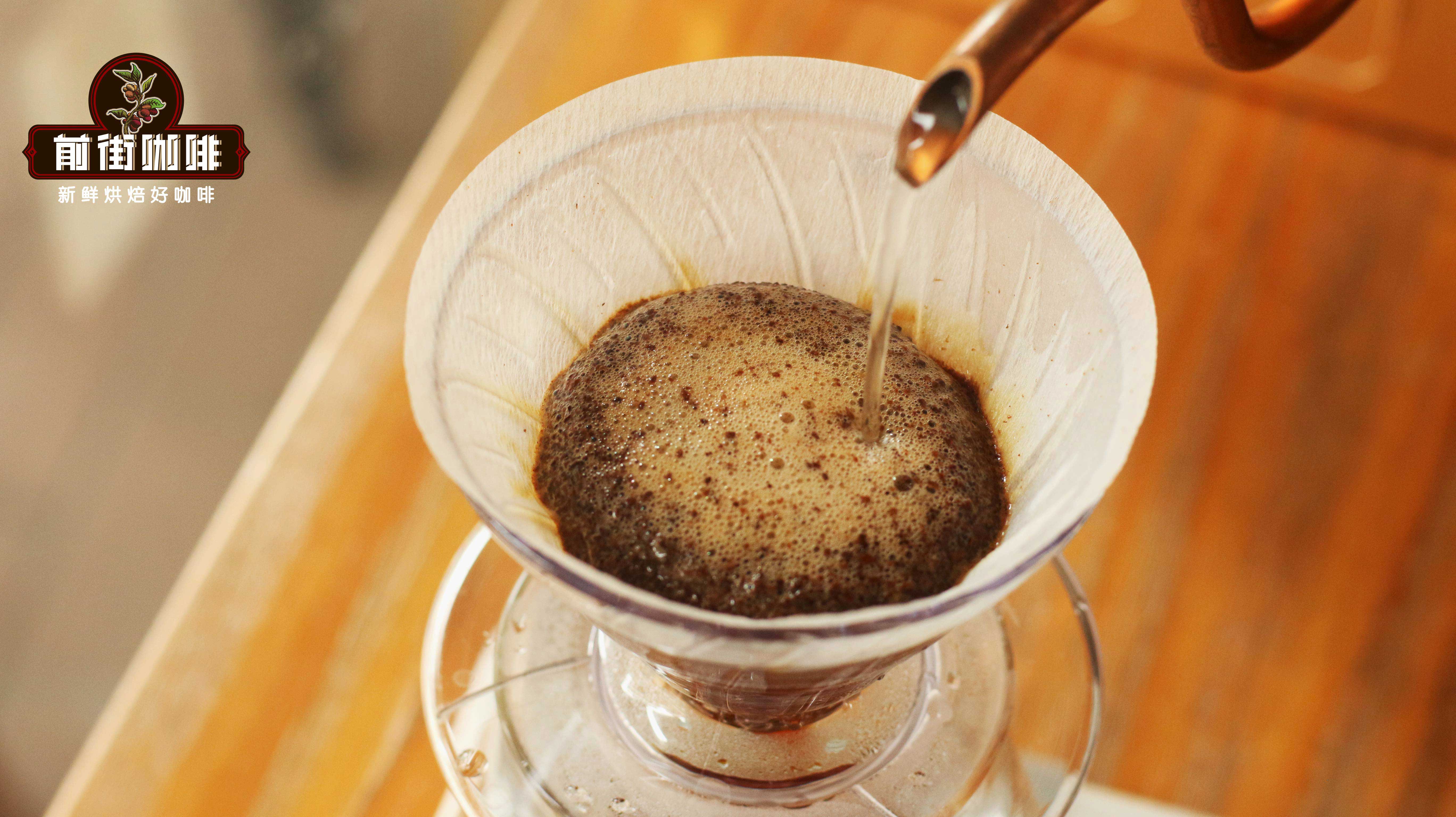
A Complete Guide to Pour-Over Drip Bag Coffee: Water Volume and Temperature Explained — Can You Use Water Dispenser Water Directly? Front Street Brewing Tips Shared
The extraction principle behind drip bag coffee and pour-over coffee is exactly the same: both involve letting hot water pass through a layer of coffee grounds to draw out aroma and flavor. To brew a delicious cup, choosing the right flavor type, picking the right cup, and controlling water temperature and the amount of water are all crucial. This article starts with flavor selection for drip bag coffee, moves on to how cup shape affects taste, and then answers two common questions in detail: Can you brew directly with water from a water dispenser? How much water is actually right for one drip bag? The article also draws on several drip bag products from the Front Street Coffee brand, offering specific step-by-step pouring techniques and water volume recommendations to help you easily brew your ideal flavor. [more…]